
Erie County Surrogate's Court
The Erie County Surrogate's Court sits on the second floor of Old County Hall at 92 Franklin Street, the same historic building that holds the County Clerk on the first floor. The Surrogate is Hon. Acea M. Mosey. The court hears cases about people who have died, including will disputes and estate administration, and it is also the court for adoptions.
Erie County Surrogate's Court
Old County Hall
92 Franklin Street, 2nd Floor
Buffalo, NY 14202
716-845-2560
Fax: 716-845-7565
Mon-Fri 9:00 a.m.-5:00 p.m.
Court Staff and Departments
Chief Clerk: Linda M. Wiedrick, 716-845-2568
Deputy Chief Clerk: Jodi Russo, 716-845-2585
Guardianship: 716-845-2124
Adoption: 716-845-2579
Help Center: 716-845-7280
The court is in the heart of the downtown court district, near Niagara Square and the Delaware Avenue court buildings. You can map the building at 92 Franklin Street on Google Maps before a visit. The nearest Metro Rail stop is Church Street, about a five-minute walk from the building, and nearby bus stops sit at Pearl and West Eagle, Pearl and Court, and Franklin and Church.
What Probate Covers in Erie County
Probate is the court process that handles a person's estate after death. If there is a will, the court reviews it and appoints the named executor. If there is no will, the court appoints an administrator instead. The Surrogate's Court oversees the whole estate, from the first petition to the final distribution. A few terms come up often.
- Testator
- The person who made the will.
- Executor
- The person named in a will to manage the estate.
- Administrator
- The person the court appoints when there is no will.
- Intestate
- Dying without a valid will.
- Letters Testamentary
- The court order that gives an executor legal power to act.
- Guardianship
- Court oversight of an estate or a person who cannot manage their own affairs.
The court also handles small estates through a voluntary administration process when the estate falls under the state limit. That path is faster and cheaper than full probate. It is meant for modest estates where full proceedings would cost more than the estate is worth. The Help Center can point heirs to the right form. Beyond death cases, the court also reviews guardianship petitions for estate matters and oversees certain trust accountings, so its docket reaches well past simple wills.
How to Search Erie County Probate Records
The main online tool is WebSurrogate, the state's public access portal for Surrogate's Court records. It lets you search by county, file number, or the name of the person who died. A full file review may still need a trip to the court's public access room. The search fields are below.
| Field | Type | Required | Notes |
|---|---|---|---|
| County / Court | Dropdown | Yes | Select Erie County Surrogate's Court. |
| File Number | Text | Optional | Surrogate file number when known. |
| Decedent / Party Name | Text | Optional | Name-based estate or proceeding search. |
| Date Filters | Date | Optional | Filing or date range fields vary by screen. |
| Proceeding Type | Dropdown | Optional | Estate, administration, probate, guardianship, miscellaneous. |
Open WebSurrogate at websurrogates.nycourts.gov. The court also points users to the Public Access Room 201 on the second floor for deeper file review. For e-filed estate documents, see Erie County court records and the NYSCEF portal.
The Probate Process in Erie County
An estate case follows a set order. The exact path depends on whether there is a will and whether anyone objects. These are the usual steps.
- Find out if there is a will. If it was left with the court for safekeeping, contact the Surrogate's Court.
- Check the estate size to see if a small estate or voluntary administration applies.
- File the probate petition or administration petition with the death certificate, kinship details, and supporting affidavits.
- The court sends citations or notices to interested parties when waivers are not filed.
- If accepted, the Surrogate issues letters testamentary or letters of administration.
- The fiduciary collects assets, pays valid claims and taxes, files an accounting, and distributes what is left.
Contested cases can add objections, discovery, court examinations, and a trial. Those matters take much longer than a simple uncontested estate.
Probate Filing Fees
New York sets Surrogate's Court filing fees by the size of the estate under the Surrogate's Court Procedure Act. Larger estates pay higher filing fees. The Erie County court does not publish a separate local fee table beyond the state schedule, so confirm the current amount with the Chief Clerk before filing.
Note: copy and certification charges are separate from the filing fee, so budget for both when you order records from the estate file.
Adoption and Sealed Records
Not every Surrogate's Court record is open. Adoption records are sealed under Domestic Relations Law § 114. The file stays closed unless a court orders it opened for good cause. Some guardianship and sensitive estate filings are also restricted, and even open estate files redact account numbers, Social Security numbers, and other protected details.
The DRL § 114 statute page is below. View it at the New York Senate site.
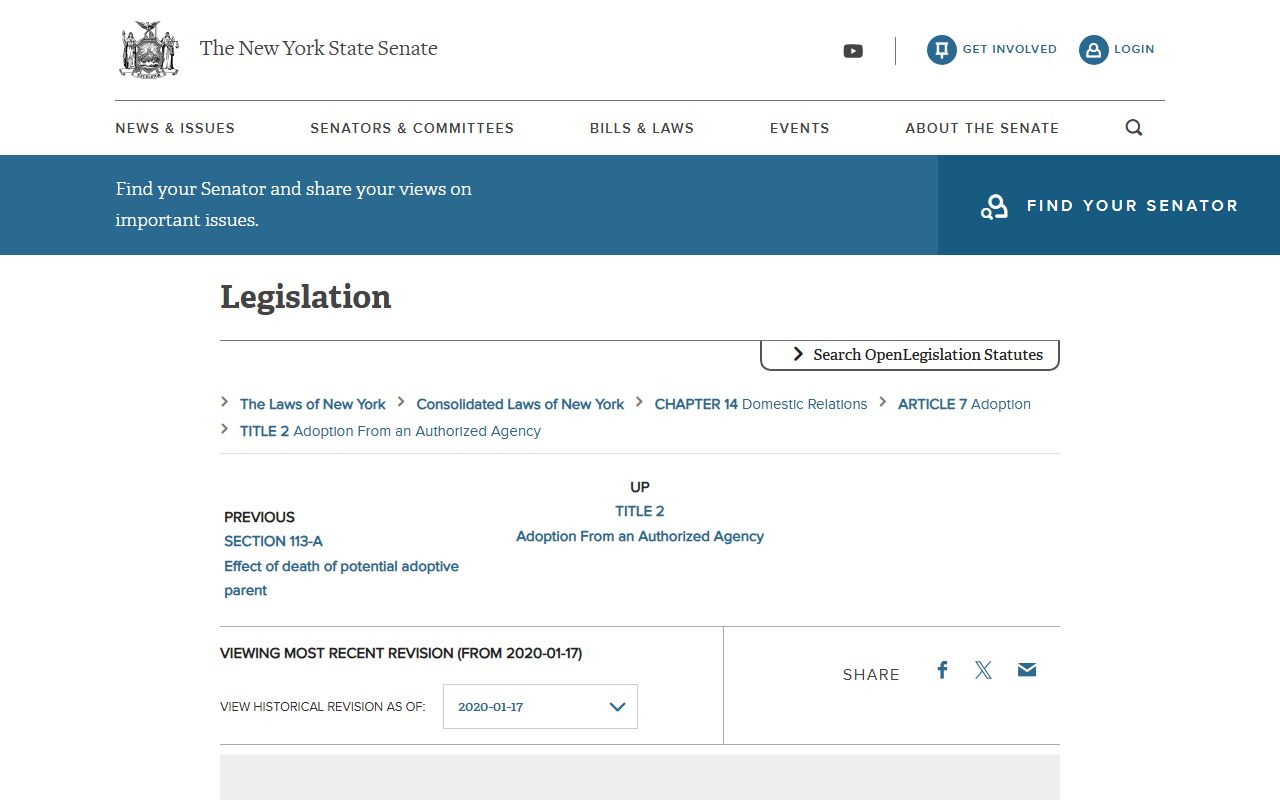
Because adoption files are sealed, the Adoption Department at 716-845-2579 handles those requests under the statutory rules, not the public search.
Wills for Safekeeping
The Surrogate's Court accepts original wills for safekeeping during a person's lifetime. The will stays sealed and is released only to the person who made it or, after death, to the court for probate. If you think a relative left a will with the court, call the main number to check. The court publishes its own will-safekeeping policy and notices.
Help Center and Public Access Room
The Surrogate's Court runs a Help Center at 716-845-7280 for people without a lawyer. Staff cannot give legal advice, but they can explain forms and the filing process. The Public Access Room 201 on the second floor lets the public review files in person. New York CourtHelp and the Erie County law library are good extra self-help sources for estate matters.
Many estates do not need a lawyer at all. A simple, uncontested estate with a clear will and cooperating heirs can often move through the court with help-center support alone. Larger or contested estates are a different story. When heirs disagree, when a will is challenged, or when the estate holds a business or out-of-state property, most families hire counsel. The Chief Clerk's office can confirm what each proceeding type requires before you file.